
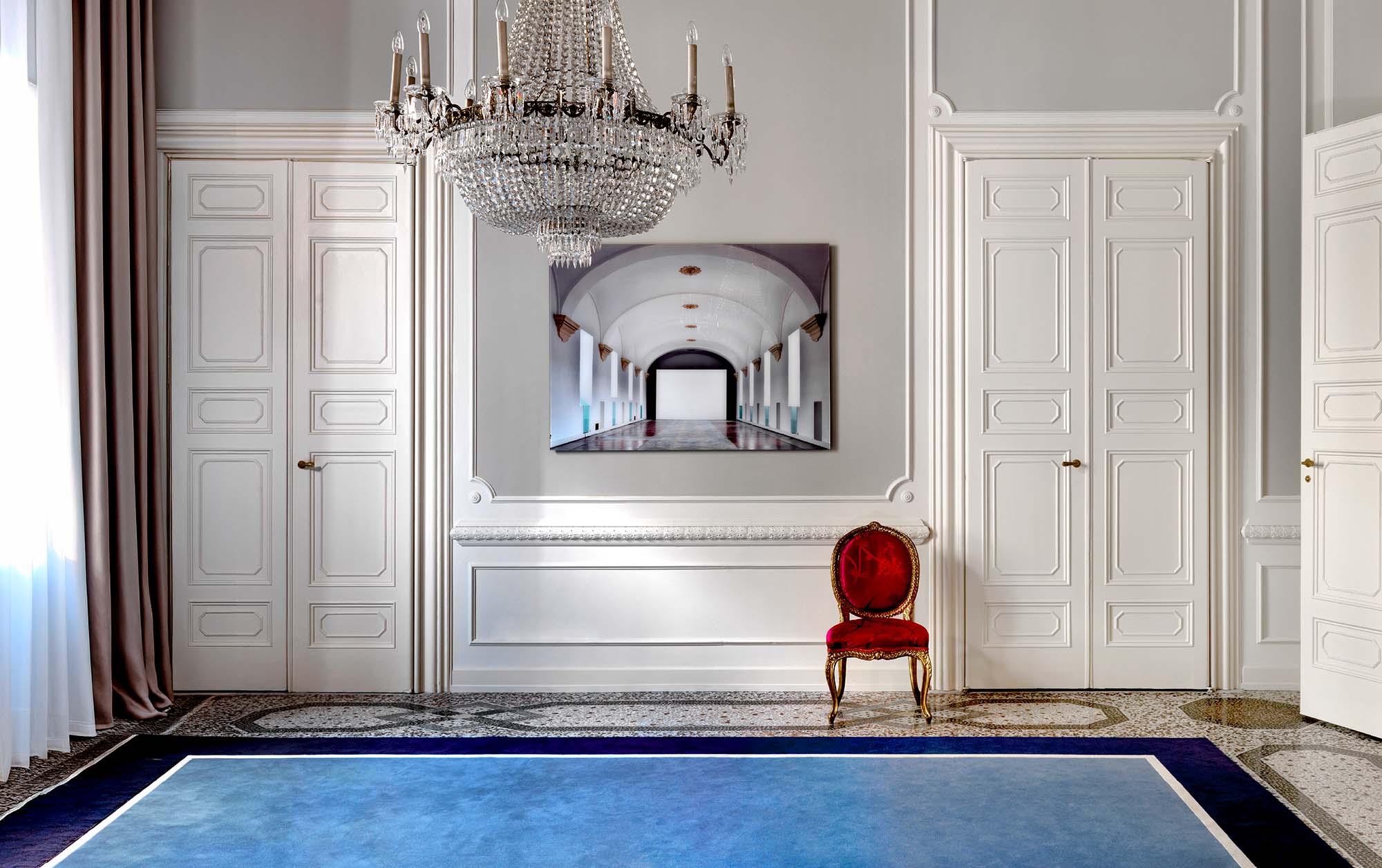
What Defines a Cultural Home
(And Why It’s Rare)
Most homes accumulate things. Art acquired over years. Furniture carried between cities. Objects that hold private meaning. These are the marks of a life lived, and they matter. But a cultural home is something else entirely, something harder to manufacture and increasingly difficult to find.
It is not a question of budget or address, though both can mislead. The most expensive properties in Europe, the newly built, the freshly renovated, and the technically flawless can feel entirely empty of meaning. And certain older, quieter places carry a weight that no interior designer can replicate.
The difference is not aesthetic. It is something closer to depth.
What Makes a Place Culturally Meaningful
A place becomes culturally meaningful when it carries a genuine relationship with time, when its walls have absorbed more than décor, when the decisions that shaped it were made with a long view rather than an immediate market.
This is distinct from being old. There are ancient properties across Europe that have been renovated into amenities. The historical fabric stripped back, the proportions adjusted, the atmosphere replaced with something smoother and more commercial. Age alone does not confer meaning.
What matters is continuity, whether the place has been lived in, interpreted, and carried forward rather than simply updated. Whether the decisions made across generations have added layers rather than erased them.
A cultural home is also specific. It belongs to a place, a lineage, a set of references that cannot be moved. A palazzo in Florence is not a palazzo anywhere else. Its stone, its proportions, its orientation toward the light, the names written into its history — these are not portable features. They are the substance of the place itself.
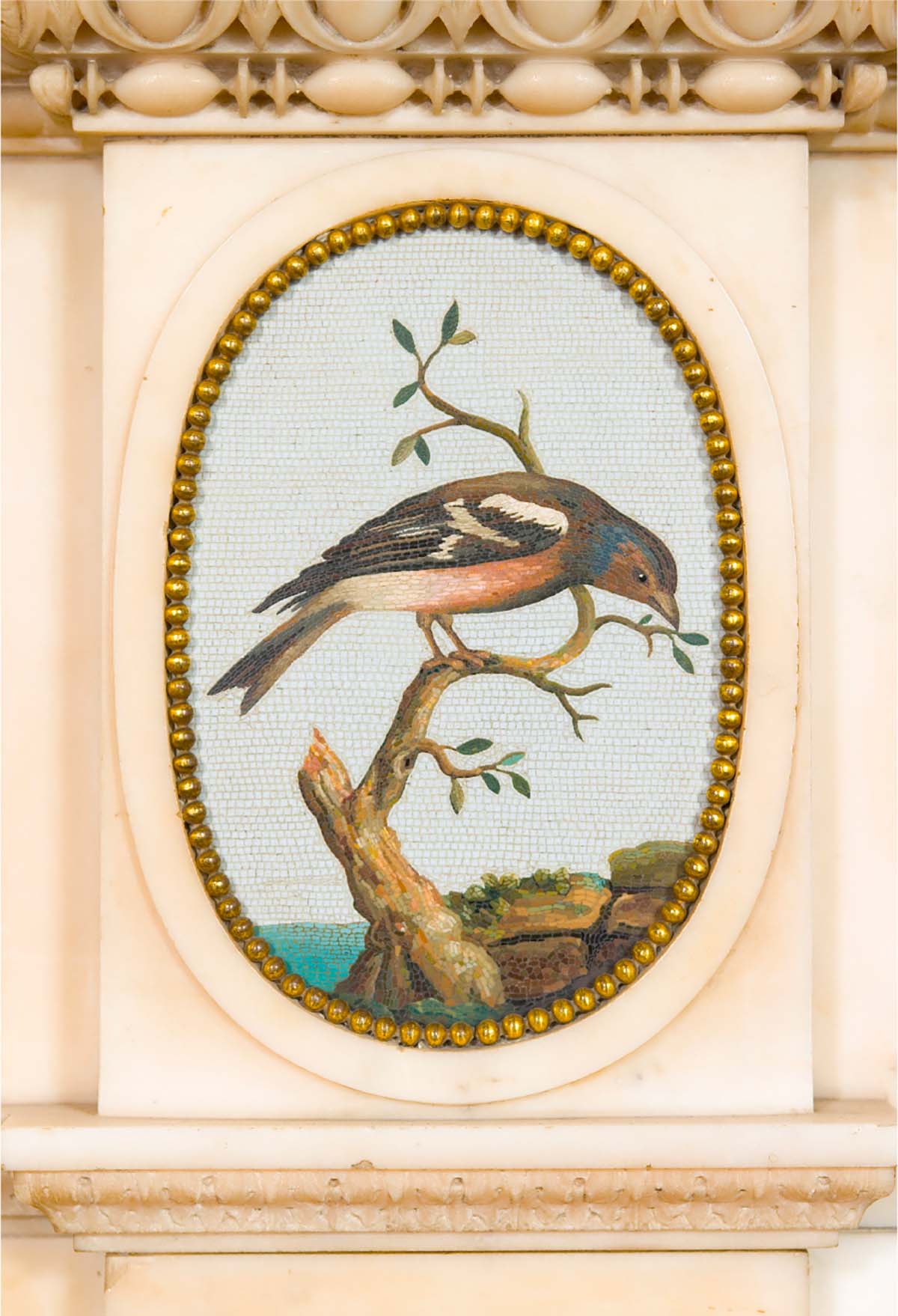
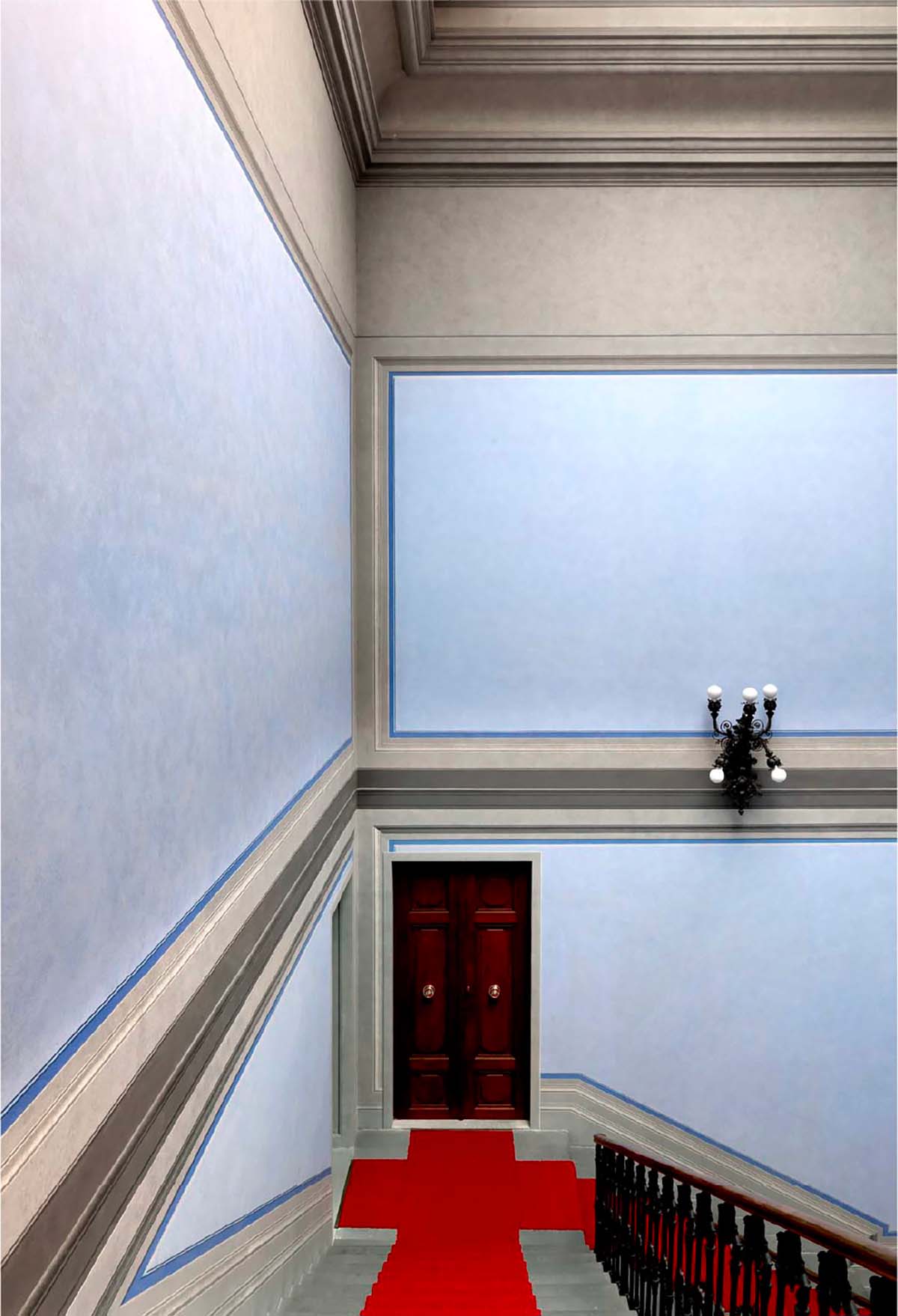

Why Most Luxury Homes Lack It
The contemporary luxury market has become very good at producing beautiful spaces. Materials are exceptional. Craftsmanship is meticulous. The experience on arrival is carefully considered.
But beauty and meaning are not the same thing. And the dominant logic of premium real estate, which is, ultimately, the logic of investment and resale — tends to work against meaning. Spaces are neutralised so that they appeal to the broadest possible buyer. Idiosyncrasy is edited out. History, when present, is rendered as a backdrop rather than substance.
Second homes in Europe are especially prone to this. They are acquired for utility — proximity, climate, status — and furnished to perform a lifestyle. They can be beautiful. They are rarely nourishing.
What’s missing is not taste. It is time. These places have not had time to mean anything yet, and many were never intended to. They were designed to be owned, not inhabited in the deeper sense – to hold value rather than create it.
What "Cultural Permanence" Actually Is
Cultural permanence is not about preservation. It is not about keeping things as they were or treating a building as a relic. It is about a place having a coherent identity that has survived change: that has been interpreted by different generations and remained itself.
The most culturally permanent places are not frozen. They evolve, but slowly and from within. Each addition is in conversation with what came before. Nothing is introduced that cannot live alongside what already exists.
For people who divide their lives between cities and responsibilities, this quality offers something that neither a hotel nor a contemporary residence can replicate: the experience of returning to something that holds its shape. A place that knows what it is, regardless of what is happening in the world outside it.
It is, in this sense, a form of anchor.
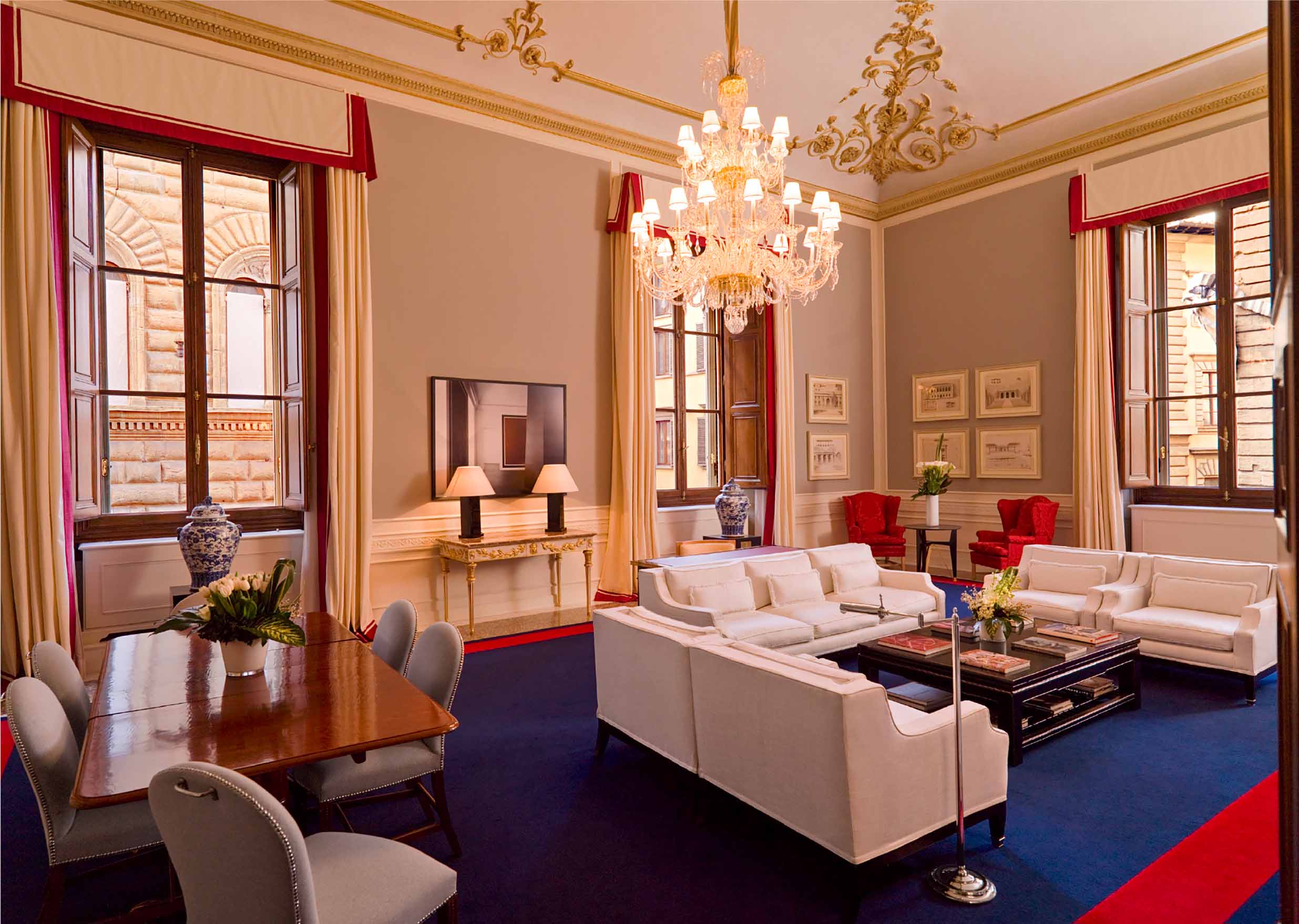
Florence, and One Address in Particular
Florence is one of the few cities in Europe where cultural permanence is still available as a lived experience rather than a tourist category. The architecture is not merely old; it is continuous. The streets, the scale, the quality of light — these have not been renegotiated.
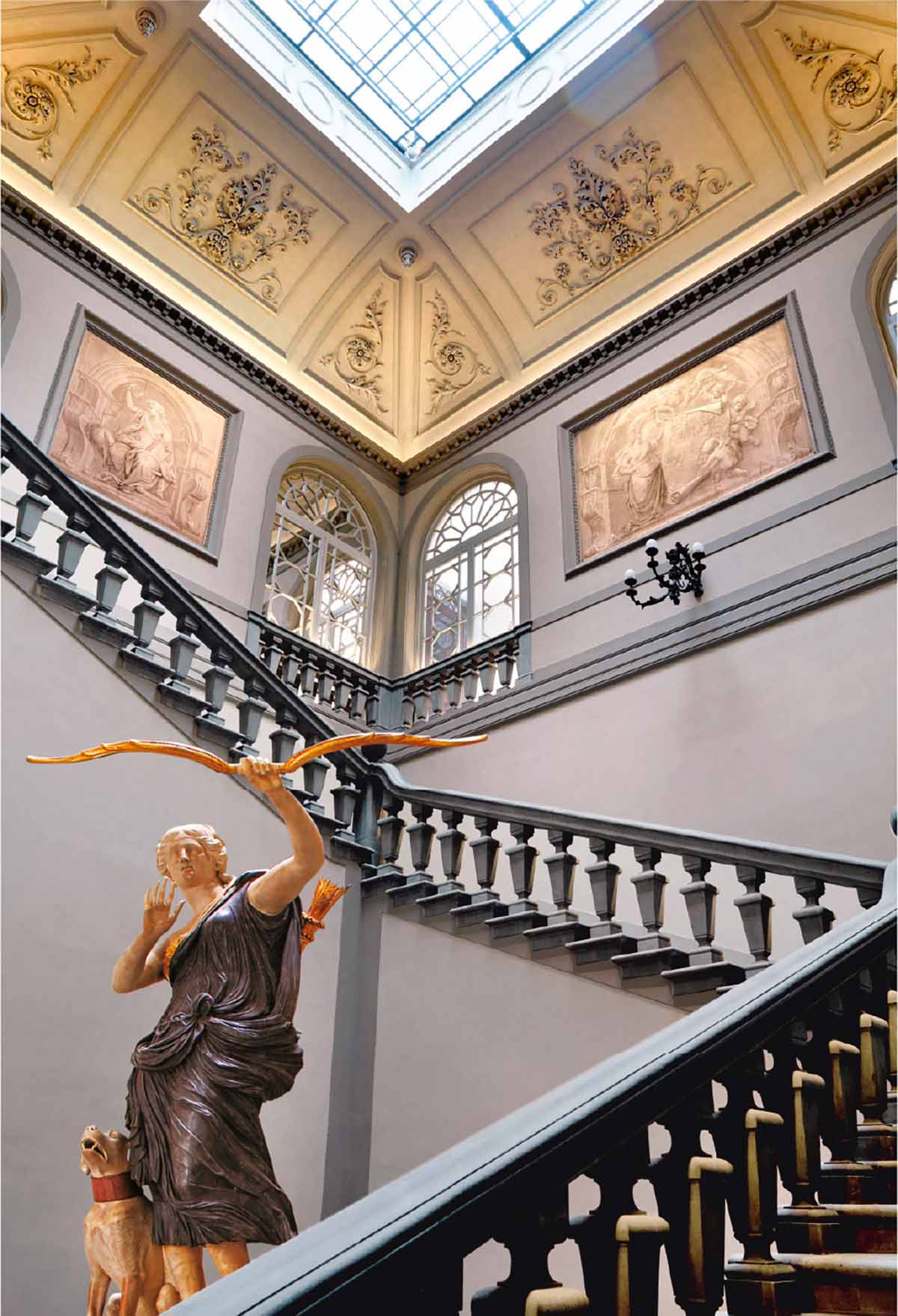
Palazzo Tornabuoni, on Via Tornabuoni, occupies a particular place within that continuity. The building has stood for more than five hundred years. It was shaped by the same families whose names appear throughout Florentine history, and it has been restored under the supervision of the city’s heritage authorities with the intention of preserving, not simplifying, what it contains.
The fresco cycles still span the ceilings. The pietra serena staircases remain. The proportions of the rooms — conceived in the Renaissance as a philosophy of balance rather than a style — have not been adjusted for the contemporary market.
What this means, in practice, is that the place already knows what it is. It does not need to perform significantly. The significance is structural, literal, and available to anyone willing to inhabit it rather than simply observe it.
A cultural home, in the end, is not something you design. It is something you find if you are looking for the right thing in the right place.