
Inside Florence’s Private World:
(What Most Visitors Never See
Florence is one of the most visited cities in the world.
It is also one of the least understood.
The version most people encounter — the queues at the Uffizi, the crowds on Ponte Vecchio, the afternoon light photographed from Piazzale Michelangelo — is real, and it is beautiful. But it is also a surface. A city of this depth does not reveal itself to people passing through. It reserves something for those who stay.
What it reserves is considerable.
The City That Opens Slowly
Florence has always distinguished between the visitor and the inhabitant. Not out of hostility — the city is genuinely welcoming — but because certain things are not organised for tourism. They simply exist, available to those who know where to look and, more importantly, who are known in return.
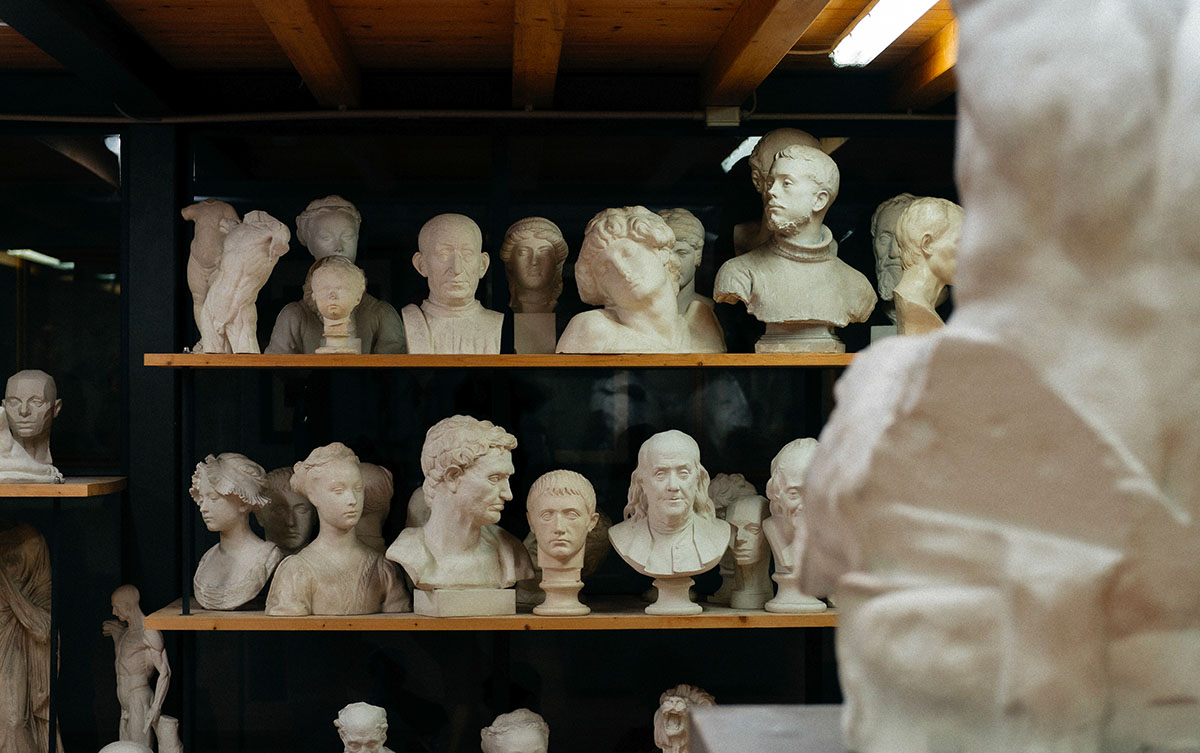
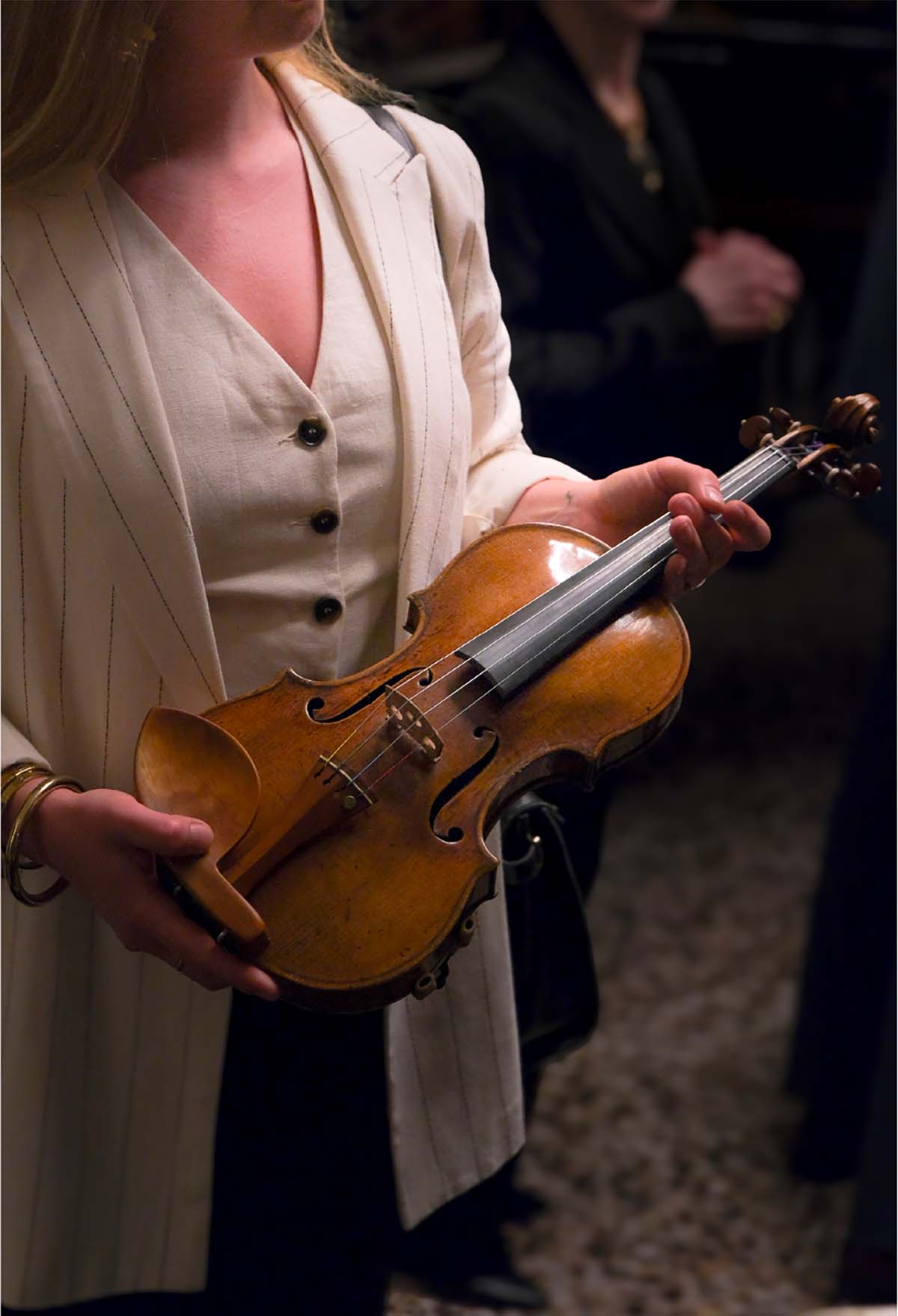
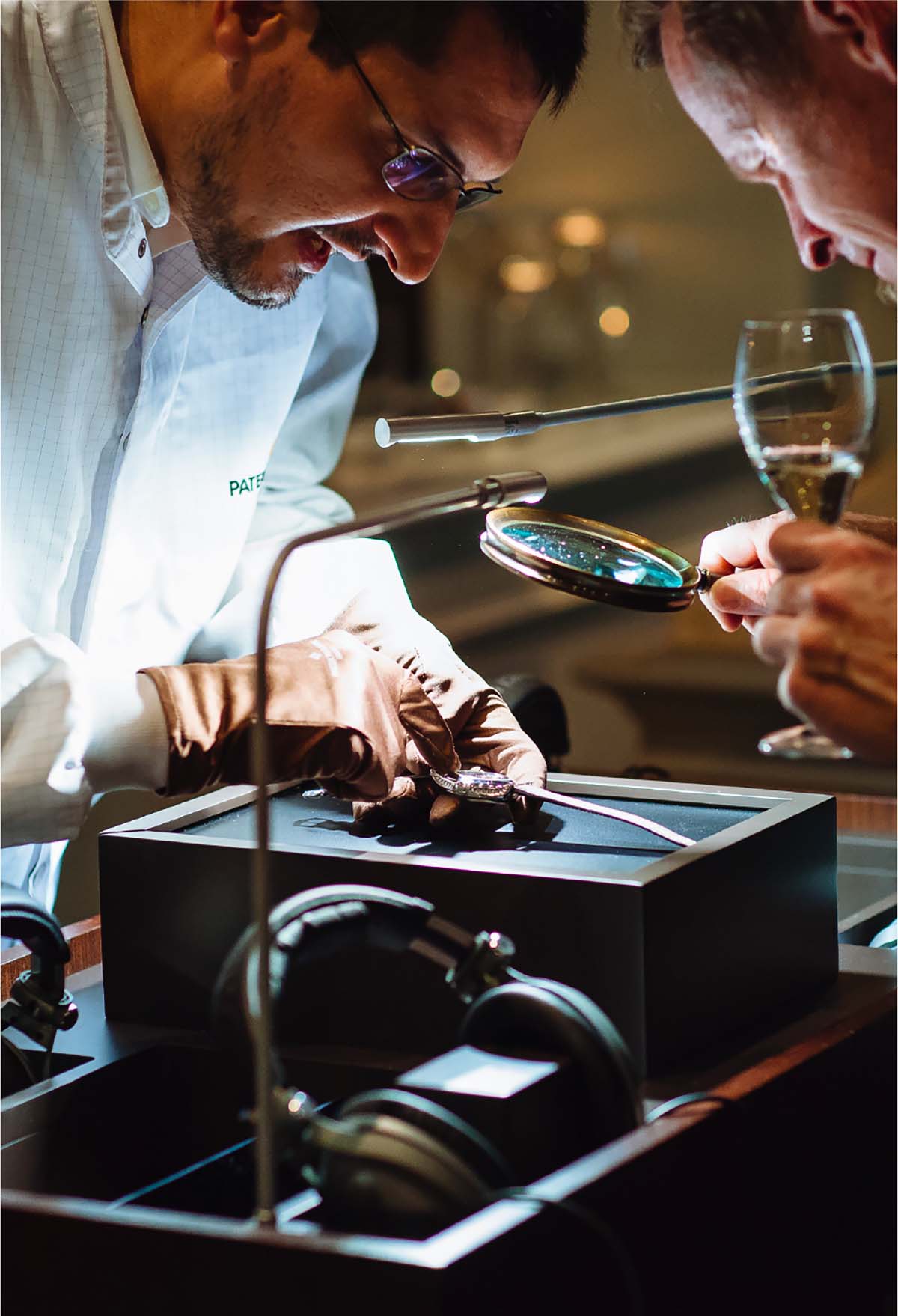
There are family-run workshops on streets that do not appear in any guide — restoration ateliers, paper-makers, bookbinders — where the craft being practised has been handed down across four or five generations. The people working there are not performing tradition. They are continuing it.
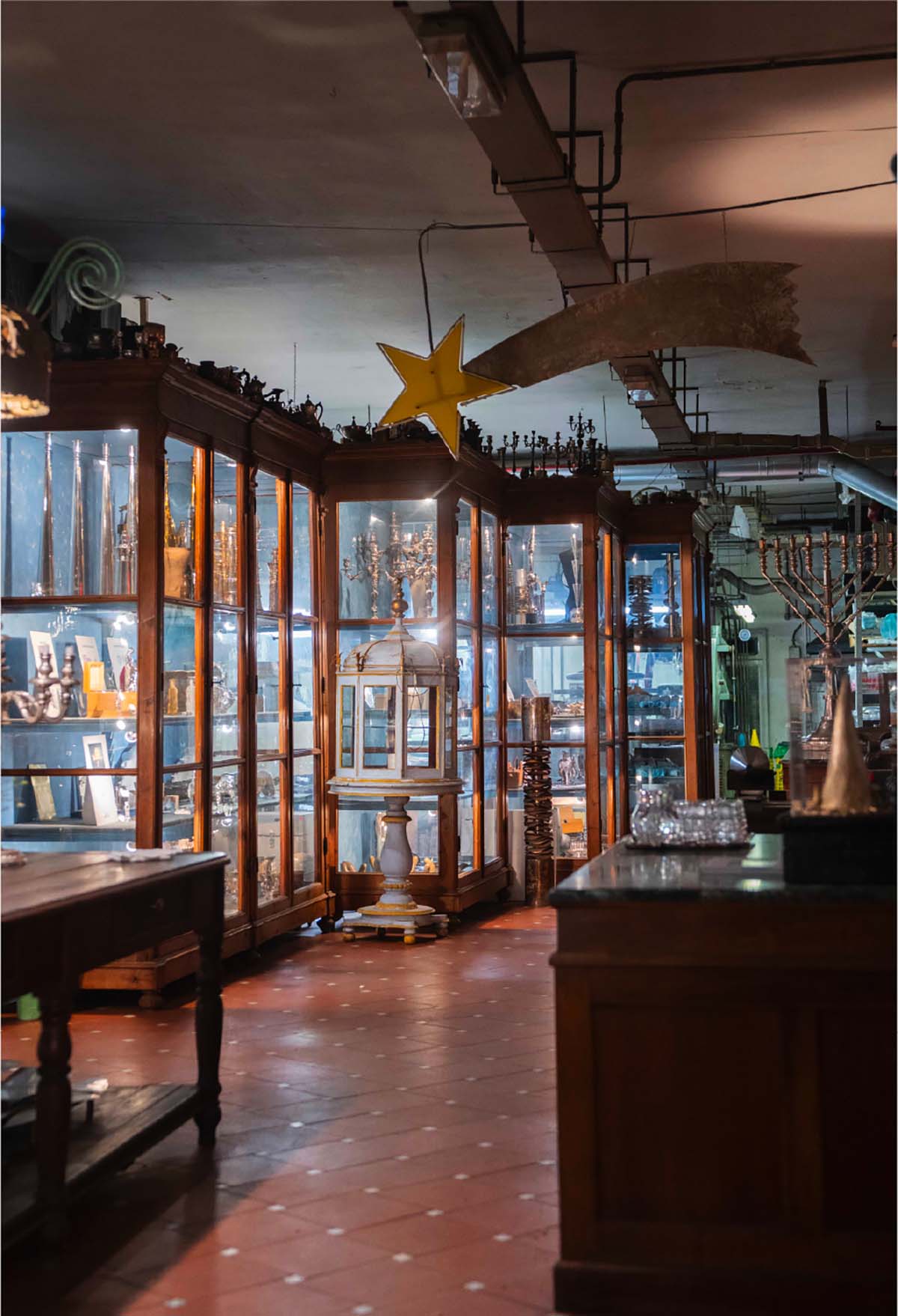
There are private libraries and archives still held by Florentine families, containing letters, drawings, and documents that no museum has acquired. There are collections assembled over centuries that remain exactly where they were assembled, in the rooms they were meant for.
None of this is hidden, exactly. It is simply not arranged for the brief visit. Access comes through familiarity, through introduction, through the slow accumulation of presence.
What Are Exclusive Florence Experiences
The phrase “exclusive Florence experiences” has been adopted by the luxury travel industry and applied, somewhat liberally, to after-hours museum access, private cooking classes, and helicopter arrivals. These are pleasant. They are also, in the deeper sense, still tourism — experiences designed and packaged for people who are passing through.
The genuinely private world of Florence is different in kind, not just degree. It is not a curated itinerary. It is a relationship with a place.
It is the difference between a private tour of the Brancacci Chapel arranged in advance and being the kind of person who has a reason to call the conservator directly. Between dining at a restaurant because a concierge recommended it and dining somewhere because you have been going for twelve years and the owner sets aside a particular wine when he knows you are coming.
These things do not happen on a first visit, or a fifth. They are the result of return — of being, in some meaningful sense, present.
The Role of Residence
This is why the question of where you stay in Florence matters more than it might seem.
A hotel, however exceptional, positions you as a guest. The hotel’s role is to make your time comfortable and complete. A residence does something different: it places you inside the city rather than adjacent to it. You begin to develop your own routines, your own relationships, your own sense of the place as it actually is, rather than as it has been prepared for you.
At Palazzo Tornabuoni, this shift is immediate and structural. The building is on Via Tornabuoni, in the centre of a city that has been continuously inhabited and culturally active for six centuries. The palazzo itself has been part of that continuity — not as a landmark to be viewed, but as a place where Florentine life has unfolded.
To live here, even part of the year, is to enter that continuity rather than observe it from outside. The city’s private world becomes, gradually, available.
What Opens Up Over Time
Members who have been at Palazzo Tornabuoni for several years describe a familiar progression. The first visits are spent learning the city — finding preferred routes, discovering which markets are worth the early morning, understanding the rhythm of the neighbourhoods beyond the historic centre.
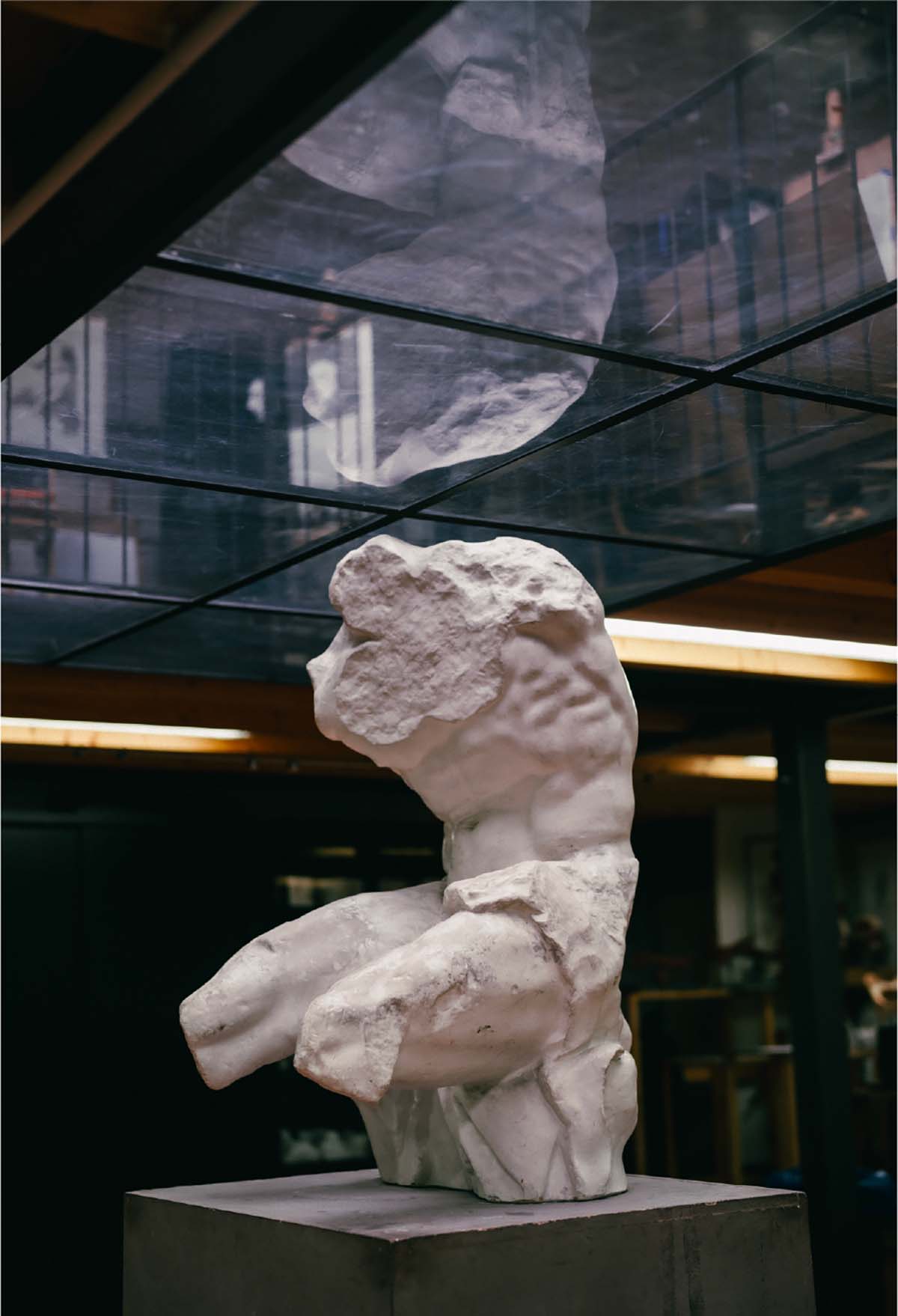
Then, gradually, something shifts. Faces become familiar. Conversations begin. An antiquarian on a side street near Santa Croce starts keeping things aside. A friend of a friend turns out to know a sculptor with a studio in the Oltrarno and invites you for a visit. You attend a concert not because it was listed in a programme but because someone thought you would appreciate it and mentioned it the week before.
This is not an amenity. It cannot be booked in advance or listed in a membership brochure. It is what happens when you are genuinely present in a place — when Florence has time to understand who you are, and you have time to understand it in return.
Most visitors see Florence in a day, perhaps three. They see the paintings, they eat well, they photograph what they came to photograph.
What they do not see is the city that exists behind all of that — older, quieter, and considerably more interesting. That Florence does not withhold itself out of secrecy. It simply requires time.
Frequently Asked Questions
What are the best exclusive Florence experiences?
The most genuinely exclusive experiences in Florence are relational, not transactional — access to private collections, workshops, and social circles that open through familiarity rather than booking them. These tend to become available to people who return regularly to the same part of the city over time.
Are there private tours in Florence that go beyond the standard offers?
Yes. Private tours in Florence range from after-hours access to major museums through to visits to privately held collections, artisan workshops, and restoration studios that are not commercially open. The latter tend to require local relationships or introductions rather than direct booking.
How long does it take to feel at home in Florence?
This depends less on the length of a single visit than on how consistently you return. Many people who have been coming to Florence for years describe a shift that happens gradually — when the city begins to feel continuous rather than compressed into each visit.
What is the difference between visiting Florence and living in Florence?
Visiting is compressed and curated. Living offers depth but not always flexibility. The more relevant distinction for many people is between visiting and returning — returning to the same residence, in the same city, over time.